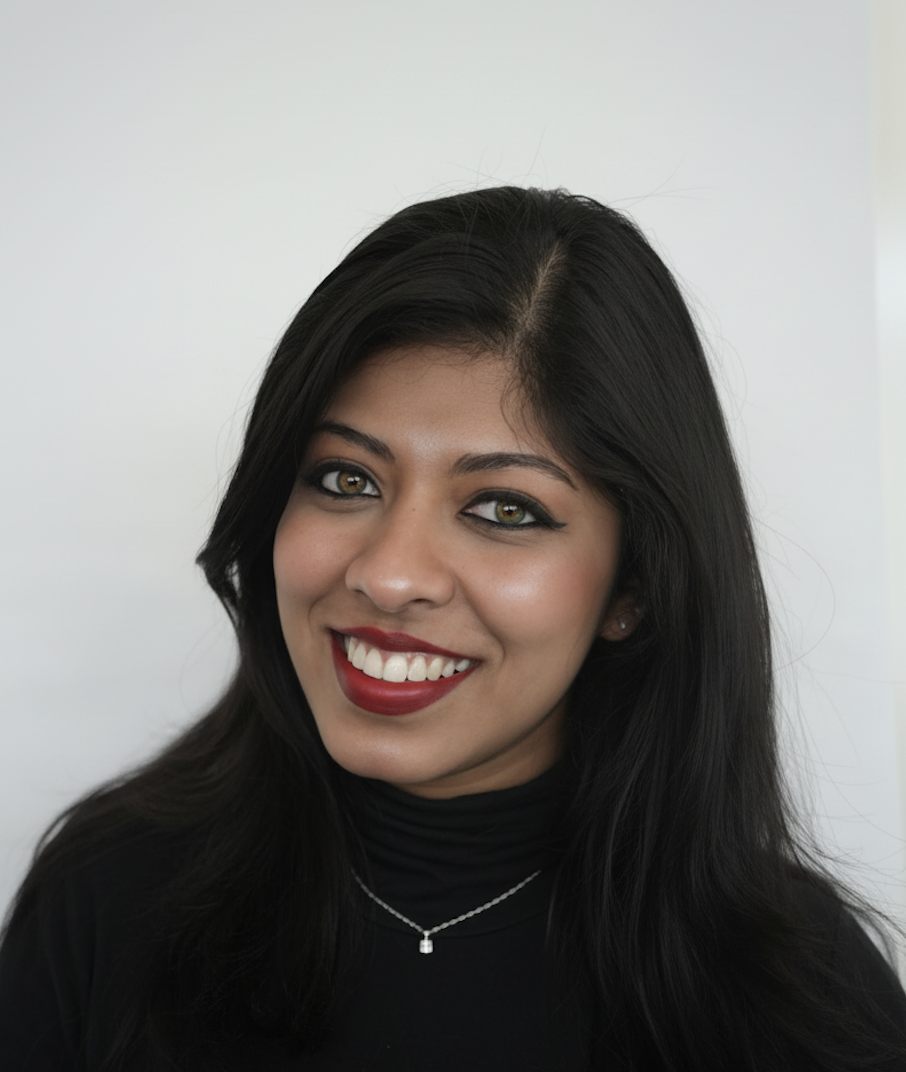
I'm Ramya
Velchuri.
Just an outcome-oriented human with an MBA from Kellogg, a Bachelor's in Computer Science, who pours heart into the arts. Trained singer, recently turned into a theatre kid.
How I think
Where every problem starts
↓ Venn diagram
it be built?
be built?
it feel?
How I solve problems
Where I've built
Observability
Owned the vision and roadmap for an in-house observability platform unifying metrics, logs, and traces into a single AI-powered experience, enabling proactive incident detection across 5,000+ consumer banking applications. Leveraged OpenTelemetry to standardize telemetry collection across legacy and modern systems.
Cloud Infrastructure (AWS)
Curiosity about cloud infrastructure led me to pursue AWS Solutions Architect and CKAD certifications, while gaining hands-on experience with Docker and Cloud Foundry. That interest eventually led me to take ownership of an enterprise AWS migration initiative, where I drove early cloud adoption by designing optimization strategies, API integration playbooks, disaster recovery plans, and chaos engineering frameworks.
Payments
Rising payment failures and fraud across SMB merchant accounts highlighted a broader challenge: balancing security with a seamless payment experience. As part of the strategy team, I helped design an RSA-based authorization workflow for bulk payments and worked across payment infrastructure roadmaps to improve system reliability at scale.
Risk, Compliance & Governance
While analyzing application logs, I discovered sensitive customer information being exposed through internal logging systems. What started as a monitoring issue quickly revealed a broader compliance and regulatory risk. I took ownership of the problem end-to-end, designing a data masking platform that prevented PII leakage across JPMC systems before it became a regulatory incident.
Questions I'm chasing
With the rapid adoption of AI, I'm thinking about what changes if the infrastructure I touched was replaced by autonomous workflows. These are the questions I don't have answers to yet.
At what point does an agent become worth the added complexity?
Are evals enough, or are we missing something?
What breaks first when you put agents into highly regulated environments?
If traditional observability helps us understand execution, what helps us understand reasoning (decision observability)?
I'm always curious about insightful conversations on this.
Let's connectOpen to product roles at the intersection of AI, infrastructure, and enterprise software. If you think there's a fit, I'd love to connect.
What am I building
Case Study
Independent work · Product proposal (PRFAQ style)
PRISM — Post-Purchase Remorse Intervention and Signal Model
E-commerce · AI/LLM · Behavioral design
We're in an era where buying something takes 30 seconds and returning it takes two clicks. Platforms have spent years optimizing for conversion, but very little attention has been paid to what happens after a buyer clicks "Buy Now." till order delivery. This case study explores whether platforms can identify moments of post-purchase doubt and help buyers feel confident in their decisions before a return is ever initiated.
Vibe Coding
Built for myself · Personal productivity
Aria — Adaptive Reminder & Intelligence Assistant
Productivity · ADHD · Outcome-oriented focus
I have ADHD. For years, I tried every productivity system I could find and failed most of them. Over time, I realised the issue wasn't consistency or discipline. The way I naturally think didn't match the way these tools were designed. Most productivity tools begin with task-oriented lists, while I begin with outcome-oriented lists. I think in goals, context, and momentum. For example, I don't wake up thinking, "I need to send three emails." I wake up thinking, "I need to make progress on recruiting." The emails are just one way to get there. So instead of searching for the right tool, I built one.
How I got here
The stops that shaped how I think

Early 2000s
Pune, IN
Watching shapes dance on a black console, written in C++ by my uncle. At 6 years old, it felt like nothing less than magic. That curiosity never left.
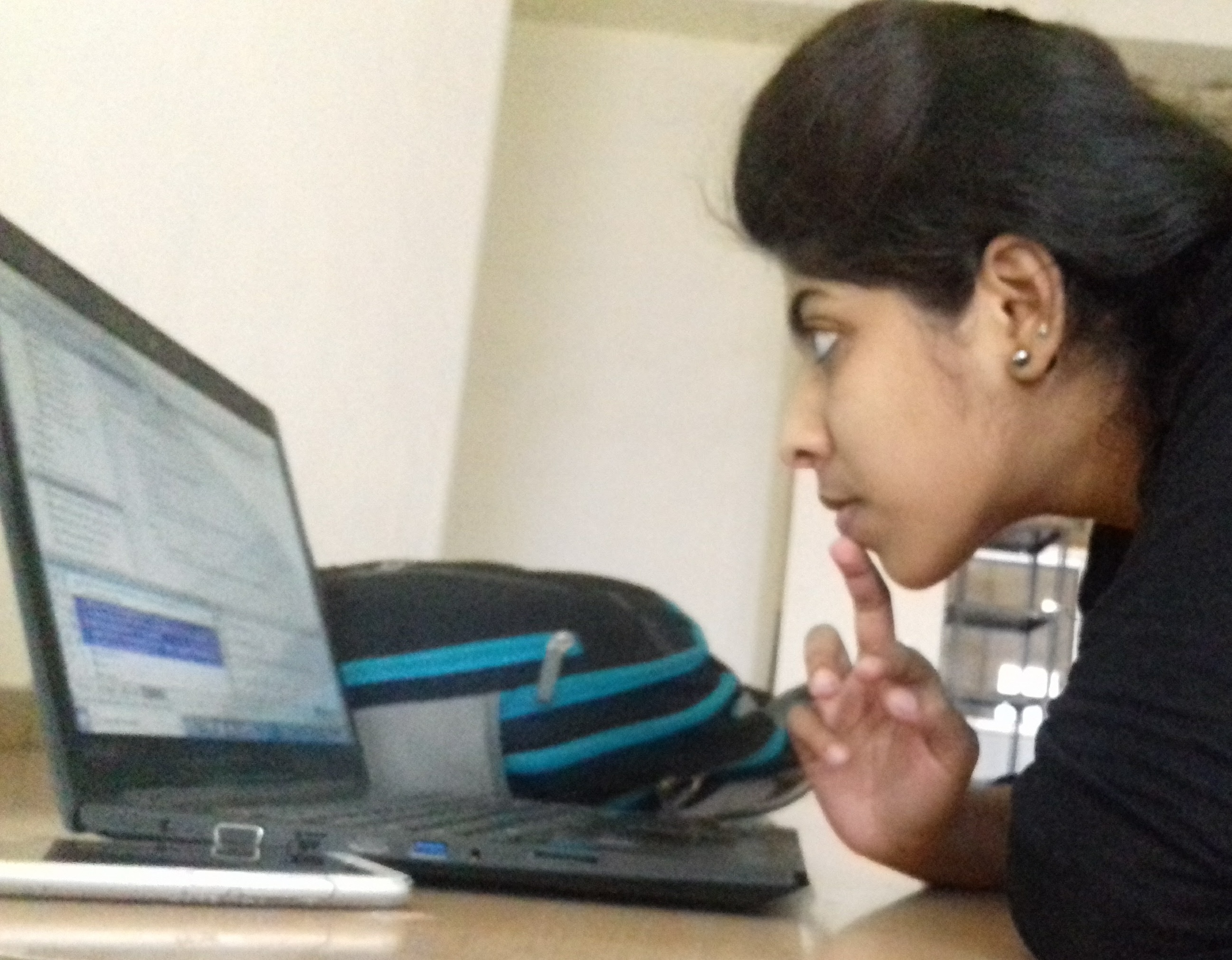
CSE Undergrad
Hyderabad, IN
For someone who was introduced to code before she could spell it, studying Computer Science felt like the natural next step.
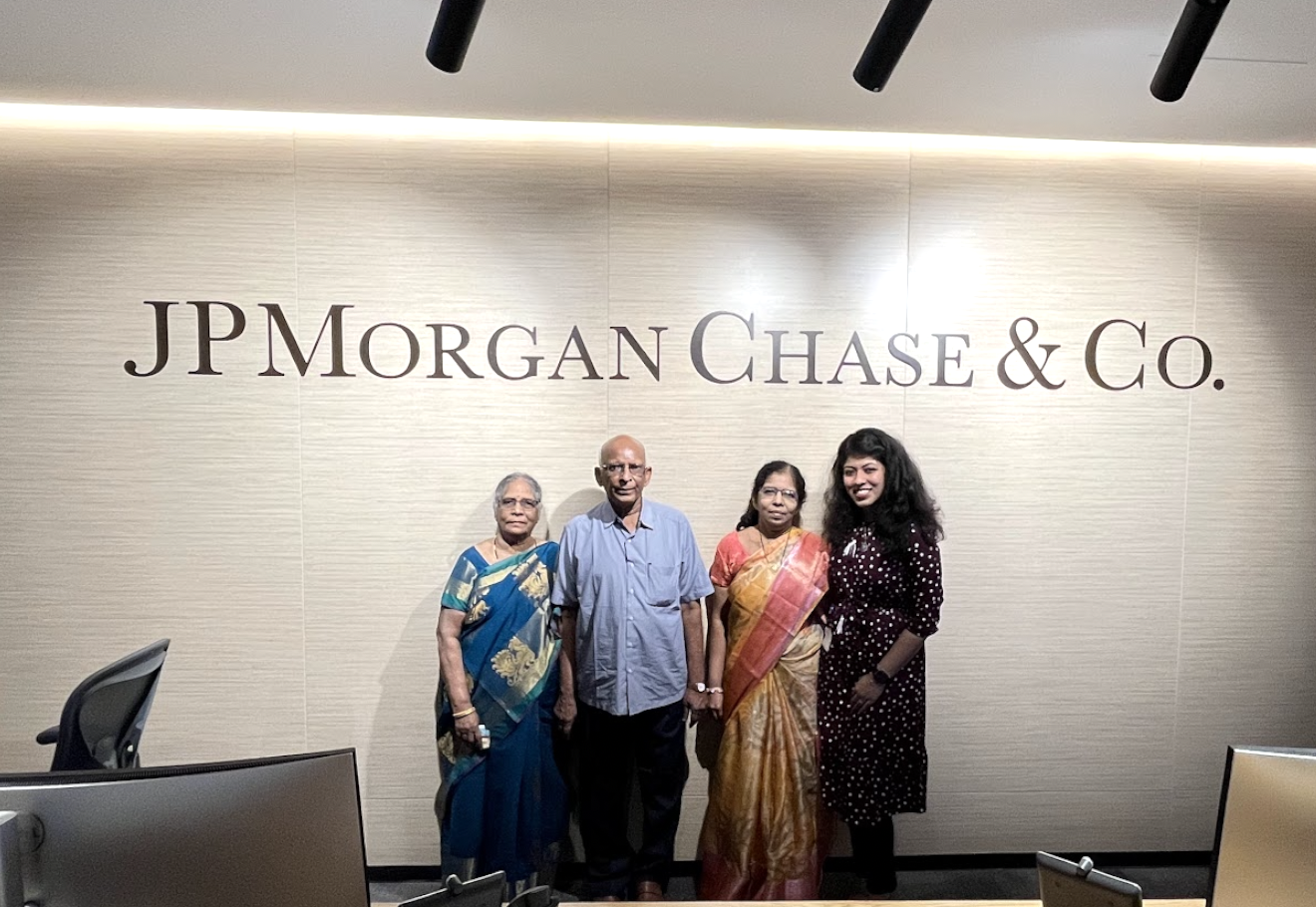
J.P. Morgan Chase & Co.
Hyderabad, IN
Consumer banking taught me what it means to build in high-stakes environments, where a single product decision can affect millions of people's financial lives.
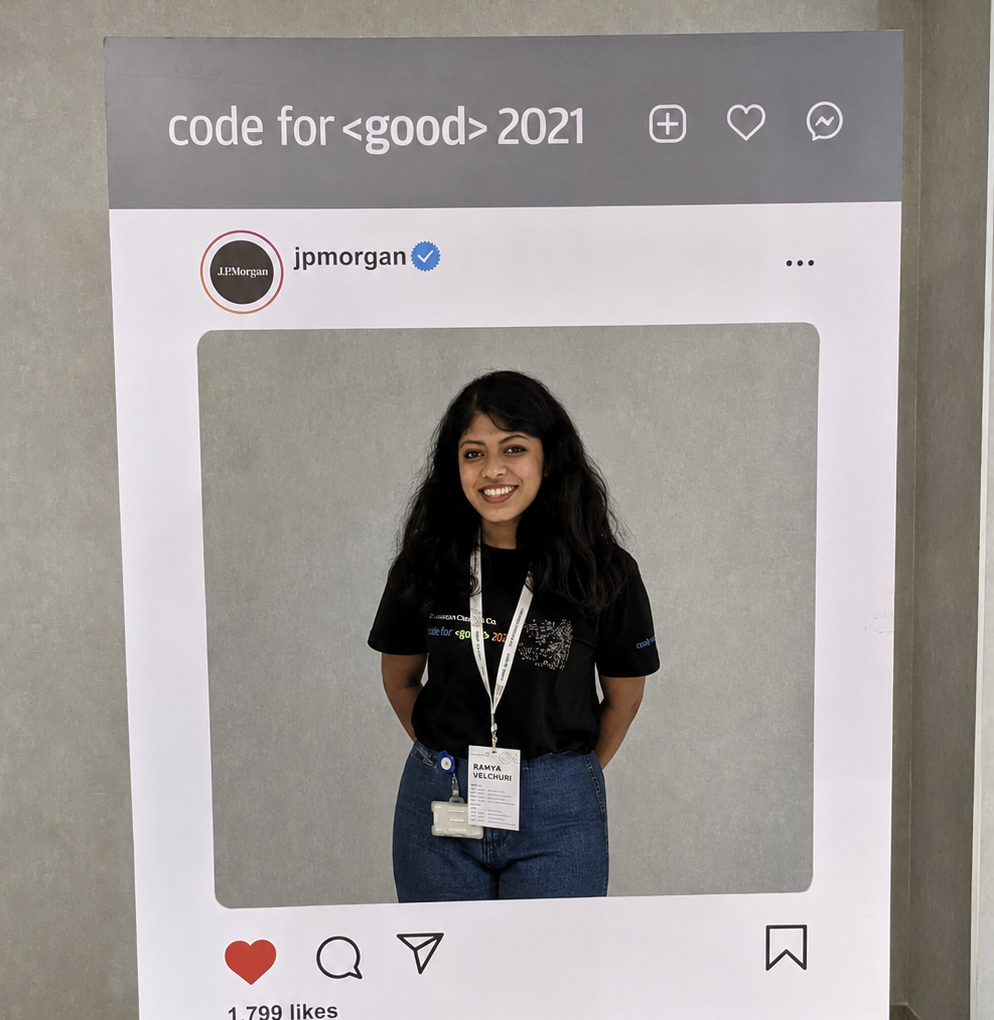
CodeForGood
2021
What started as a small side project to digitize a non-profit's operations ended up helping locate ten malnourished children who had been out of reach. It was the moment I realized technology isn't the solution itself - it's an enabler of one.
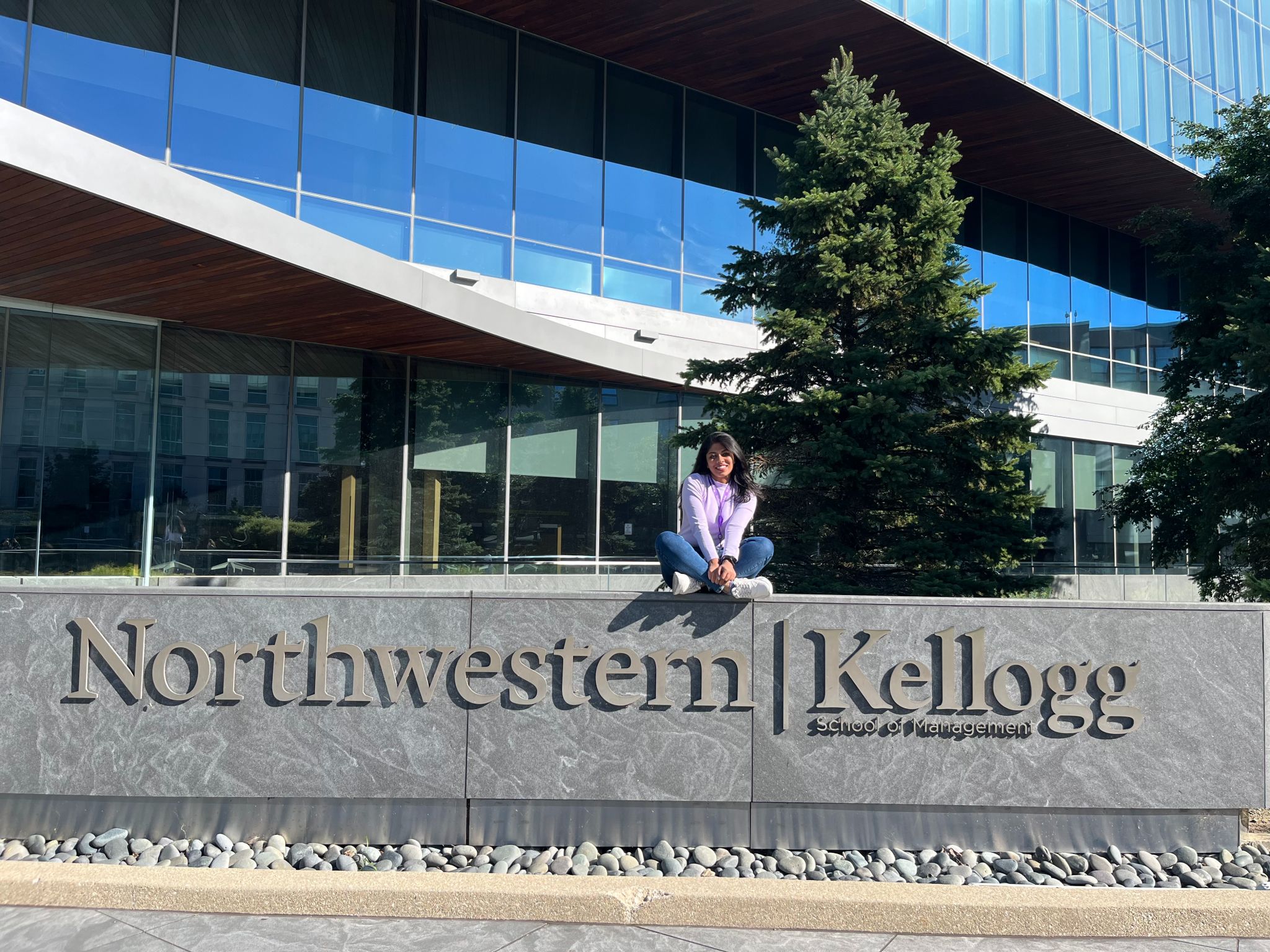
Kellogg School of Management
Evanston, IL
With that realisation, I came to Kellogg. 5 years in banking taught me how to build for scale. Kellogg taught me how different industries solve problems, how customer needs vary across contexts, and what it means to operate in a truly global market.
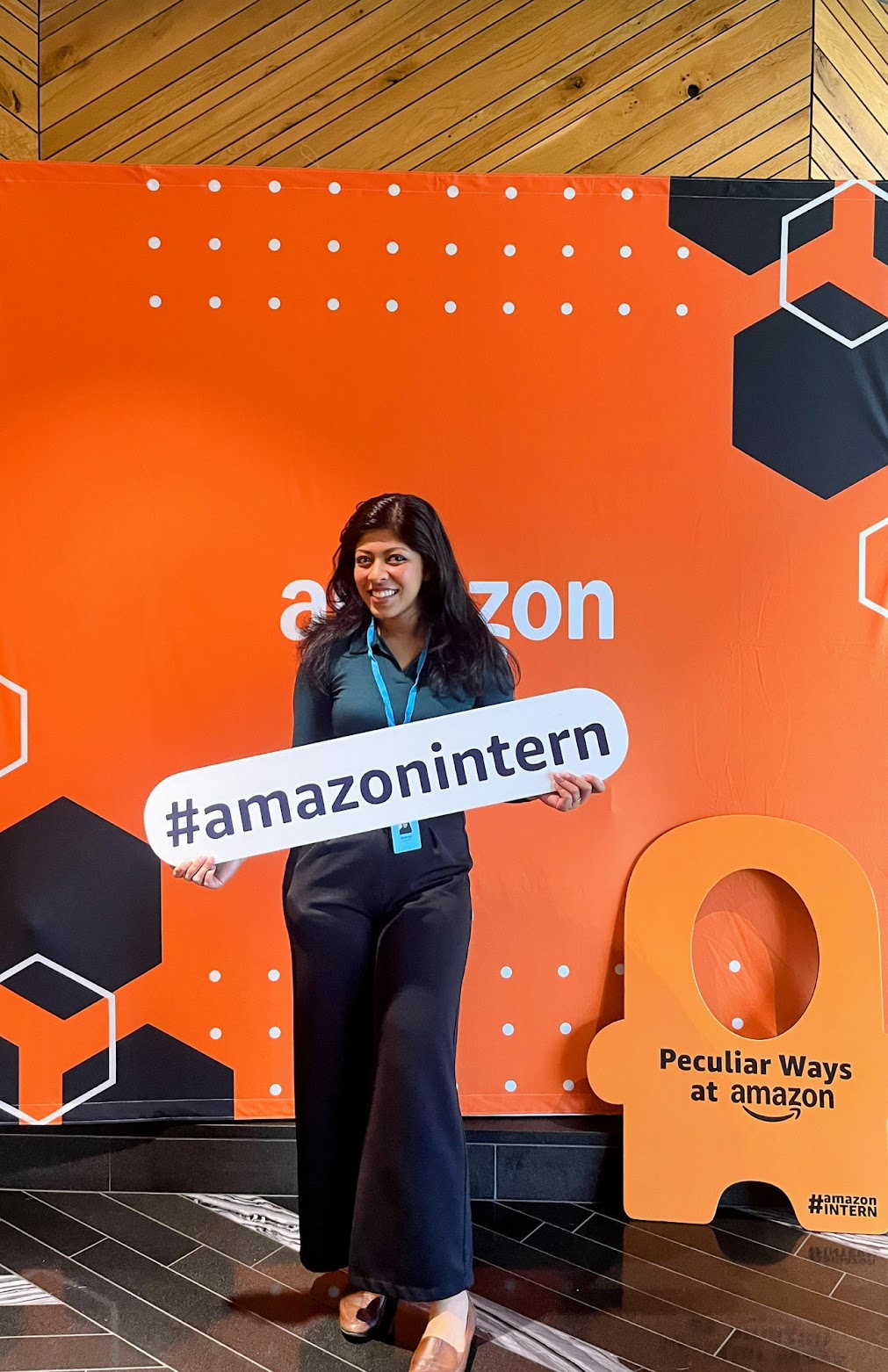
Amazon
Seattle, WA
One of the best places to see technical depth and business thinking operate as one. It reshaped how I think about customers, scale, and execution. #CustomerObsessed
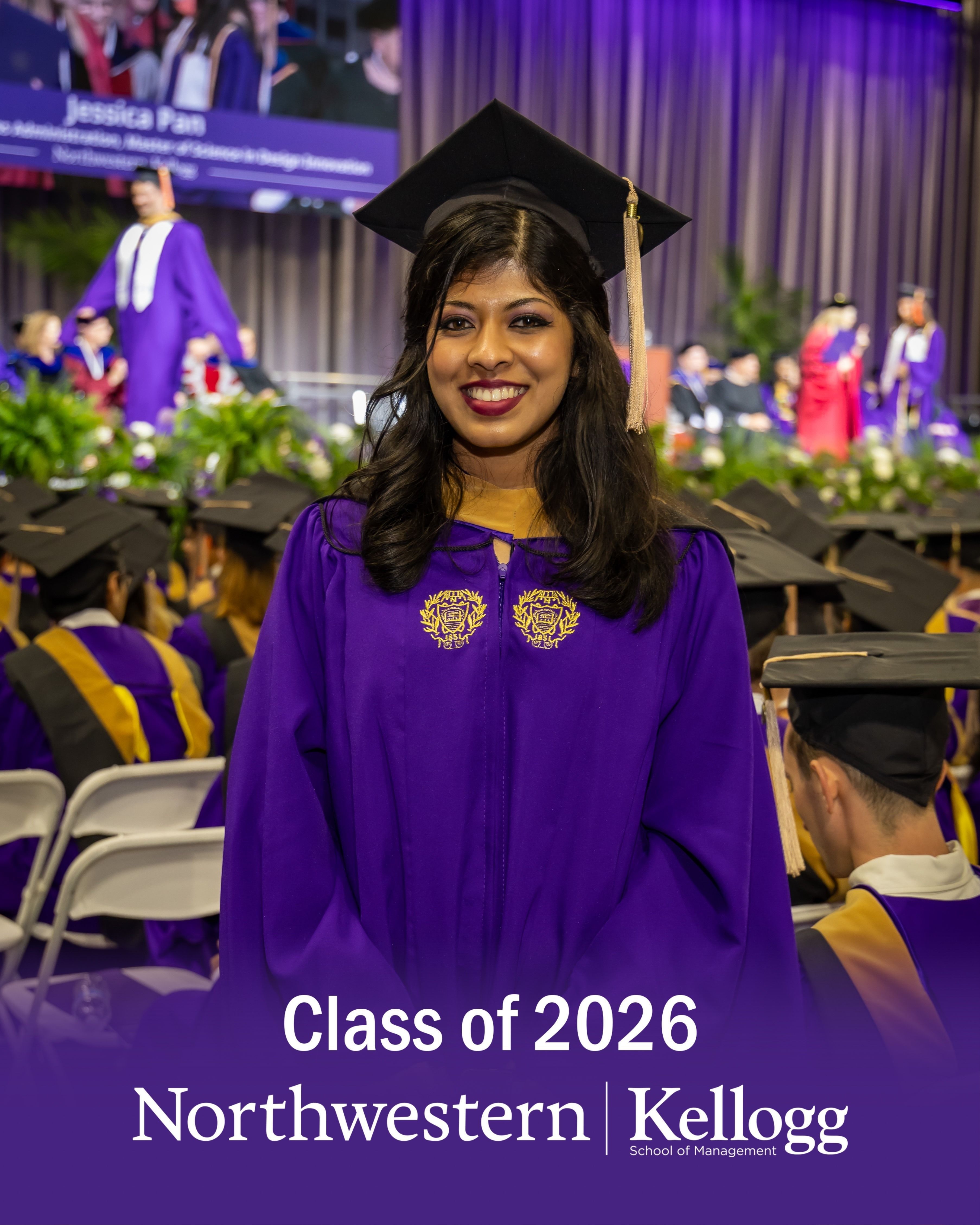
Northwestern Kellogg
Evanston, IL
Kellogg Graduation. This one took 5 years of wanting, 2 of living, and a lifetime of people who made it matter.
Scroll to explore →
What's next
I wasn't born during the Internet revolution, but I feel lucky to witness the AI revolution in this lifetime. The 6-year-old who fell in love with technology would never have believed that ideas could move this fast. For the first time, the barrier between an idea and its execution is almost nothing. The real work is thinking clearly about the problems worth solving.
As the next chapter begins, that's exactly where I'm focusing my energy: asking better questions, building intentionally, and staying curious about what technology can make possible.
In a world where technology can do almost anything, our greatest responsibility is ensuring it does something that actually matters to people. Let's get to work.